Mombasa is often synonymous with the postcard-perfect imagery of the Indian Ocean: swaying palms, white sands, and the rhythmic lapping of turquoise waves. While the beaches of Nyali, Bamburi, and Diani are undeniably world-class, treating Mombasa merely as a sunbathing destination is a missed opportunity.
The “Island of War” (Kisiwa Cha Mvita) is a layered, ancient city with a soul that resides far beyond the shoreline. For the traveler who seeks adrenaline, historical depth, and authentic Swahili culture, Mombasa offers a playground of experiences that few ever fully uncover.
This guide explores the most compelling things to do in Mombasa beyond the beach, providing you with a roadmap to the city’s hidden adventures and cultural treasures.
What Are the Best Adventure Activities in Mombasa?
1. Deep Sea Fishing in Mombasa — Big Game on the Indian Ocean
If you are looking for mombasa adventure activities that offer a genuine thrill, nothing rivals the challenge of the open ocean. The waters off the Kenyan coast are world-renowned among professional anglers, yet many visitors remain unaware that Mombasa is a gateway to some of the best big-game fishing on the planet.

Why Mombasa Is a Big Game Fishing Destination
The Kenyan coast sits at the edge of the Indian Ocean’s deep-water drop-offs. At Mtwapa Creek — the departure point for Mamis Tours & Travels fishing charters — you can be trawling over 200 metres of open Indian Ocean within 15 minutes of leaving the jetty. No long commute. No lost fishing time.
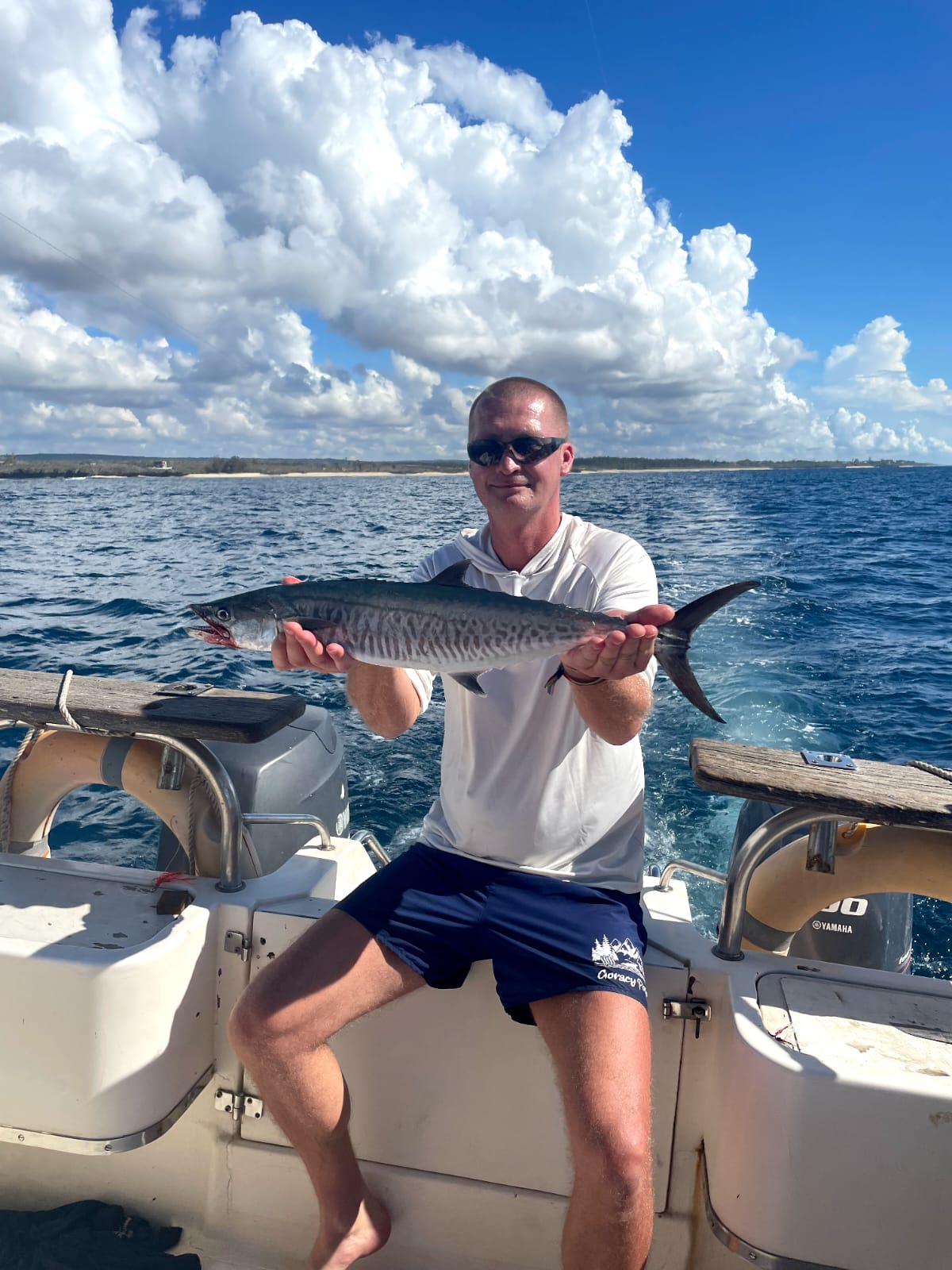
The “Big Five” of the ocean are all present in these waters: Black Marlin, Blue Marlin, Striped Marlin, Sailfish, and Broadbill Swordfish. Alongside these, Yellowfin Tuna, Wahoo, Giant Trevally, and Kingfish make every trip a genuine lottery of what might strike next.
What to Expect on a Mombasa Fishing Charter
A typical deep sea fishing day begins before sunrise. You board a professionally rigged sportfishing boat at Mtwapa Creek, transiting through the calm, mangrove-lined waterway before crossing the reef into open water. Lures are set, lines go in, and then comes the specific silence of the open ocean — broken, on a good day, by the scream of a reel.
Best Time for Deep Sea Fishing in Mombasa
- Billfish (Marlin & Sailfish): Peak season December to March (Kaskazi season) — calm seas, warm water, highest billfish concentration
- Yellowfin Tuna & Wahoo: August to October (Kusi season) — nutrient-rich water drives bait balls and the predators that follow them
- Year-round fishing:Kingfish, Giant Trevally, Dorado, and Red Snapper are available throughout the year
The Experience: There is a specific silence that comes with being miles offshore, broken only by the scream of a reel when a 200lb Marlin strikes. It is a test of strength, patience, and skill.
Sustainability: Mamis Tours & Travels advocates for tag and release for all billfish, supporting Kenya’s conservation programme and the work of the African Billfish Foundation in preserving Indian Ocean fish populations.
FAQ: What is the best time for deep sea fishing activities in Kenya?
The best time for big game fishing is between September and mid-April. However, for those specifically seeking Marlin, the “Kaskazi” wind season (December to March) provides the calmest waters and the highest concentration of billfish.
Explore:Deep Sea Fishing Trip Mombasa
2. Walk Through History: Old Town and Swahili Culture
To understand Mombasa, you must walk through Old Town. Covering approximately 72 hectares on the southeast side of Mombasa Island, this neighbourhood is a living UNESCO-recognised heritage district — a place where Arab, Indian, African, and Portuguese influences have layered over ten centuries into something found nowhere else in East Africa.
The Mombasa Carved Doors — What They Mean and Where to Find Them
As you walk the narrow lanes — start on Ndia Kuu Road and work your way toward Langoni Road – the carved teak and mahogany doors are impossible to ignore. These are not decorative afterthoughts. They are status declarations. Each door tells a story: brass spikes brought from India (originally designed to stop elephants from battering down gates), geometric Arabic calligraphy, and floral African motifs combined into a style that is distinctly Swahili and found nowhere else in the world. The oldest surviving examples date back more than 200 years.

Beyond Fort Jesus: What Most Visitors Miss
Fort Jesus is the anchor of the area – a UNESCO World Heritage Site built by the Portuguese in 1593 and fought over by Arab, Portuguese, and British forces for the next 300 years. Entry is approximately KES 1,200 for non-resident adults and well worth the time. Ask for a guide who can tell you which sections of wall are original Portuguese stonework and which are Omani repairs – the difference is visible once you know what to look for. But the “real” Old Town lives in the smaller details beyond the fort:
- The Old Port: Traditional dhows still arrive from Lamu, Zanzibar, and the northern coast carrying goods exactly as they have for centuries. Early morning is the best time to watch.
- The Spice Markets: Visit the local markets where the scent of cardamom, cloves, and freshly roasted coffee (Kahawa Tungu) fills the air.
- Curio Shops: This is the best place to find authentic brass antiques, Swahili chests, and handcrafted jewelry that isn’t mass-produced for tourists.
Pro Tip: Engage a guide through Mamis Mombasa Tours & Travels to ensure you don’t just see the buildings, but hear the stories of the families who have lived here for ten generations.
Read Also: Cultural Experiences in Mombasa
3. Mombasa Marine National Park — Snorkelling, Diving & Glass-Bottom Boats
If the beach has lost its appeal, go below it. The Mombasa Marine National Park and Reserve – managed by Kenya Wildlife Service – is one of the most accessible marine conservation areas in East Africa, covering approximately 10 square kilometres of protected coral reef along the North Coast.
Snorkeling and Diving
The park covers about 10 square kilometers of protected coral reefs. Because the reef protects the inner lagoon from heavy surf, the waters are exceptionally calm and crystal clear.
- Marine Life: Expect to see vibrant Zebra fish, Angel fish, Seahorses, and occasionally, Green Sea Turtles.
- Glass Bottom Boats: For those who prefer to stay dry, a glass-bottom boat tour provides a window into the coral gardens. It’s an ideal family activity that combines education with sightseeing.
The Sandbank Experience
During low tide, spectacular sandbanks emerge within the park. These temporary islands offer a surreal “middle of the ocean” experience where you can enjoy a picnic or simply walk on white sand surrounded by nothing but 360 degrees of turquoise water.
4. Dhow Cruises and Sunset Sailing in Mombasa
The dhow is the symbol of the Swahili Coast. These traditional wooden sailing vessels have traversed the Indian Ocean for millennia, powered by the monsoon winds.

The Tamarind Dhow Dinner Cruise
For a sophisticated evening, the Tamarind Dhow is an essential experience. It’s a journey. As the dhow sails around the Tudor Creek, you are served a multi-course seafood feast prepared right on deck over charcoal grills.
- The Atmosphere: Live music, the clinking of glasses, and the silhouette of the city lights reflecting on the water create an atmosphere of old-world romance.
- Sunset Sails: If you prefer a shorter trip, a sunset sail on a traditional dhow from the Old Port offers the best photographic opportunities of the Mombasa skyline.
Explore: Sunset Dhow Cruise
5.Is Shimba Hills Worth a Day Trip from Mombasa?
Yes — and most visitors who make the trip say they wish they had stayed longer. Shimba Hills National Reserve is approximately 45 minutes south of Mombasa city and is the largest coastal forest in East Africa. It is managed by Kenya Wildlife Service and offers a fundamentally different landscape from the coast — cooler temperatures, dense green canopy, elephant sightings in the forest mist, and one species that exists nowhere else in Kenya.
Why it’s different:
- The Sable Antelope: Shimba Hills is the only place in Kenya where you can see the Sable Antelope — a striking, curved-horned antelope with a jet-black coat and white underbelly. For wildlife photographers and serious safari travellers, this alone justifies the trip.

- Sheldrick Falls: A guided forest hike leads to Sheldrick Falls, a 21-metre waterfall set deep in the coastal rainforest. The trail takes approximately 90 minutes return and is genuinely refreshing after days on the coast.
- Elephant Sightings: The reserve is home to a significant elephant population, often seen emerging from the mist of the dense forest.
Shimba Hills offers a cooler, greener perspective of the coast, making it a perfect day trip for those who want to swap the beach for the jungle.
Mamis Tours & Travels arranges private Shimba Hills day trips from Mombasa with round-trip hotel transfers — view full details and availability.
6. Day Trips Beyond the City: Wasini, Shimoni, and Watamu
If you have a full day to spare, the areas surrounding Mombasa offer world-class marine adventures. At Mamis Mombasa Tours & Travels, we specialize in coordinating these excursions so you can focus on the experience.
Wasini Island and Kisite-Mpunguti Marine Park
Located south of Mombasa near the Tanzanian border, Kisite-Mpunguti Marine Park and the adjacent Wasini Island represent the finest snorkelling and diving destination on the entire Kenya coast. The marine park’s water clarity and coral health consistently outranks anything available closer to Mombasa.
- Dolphin Spotting: Pods of dolphins are frequently seen playing in the wake of the boats.
- The Coral Garden: On Wasini Island, you can walk through a “Coral Garden”—a boardwalk through ancient, fossilized coral structures that look like a lunar landscape.
- Shimoni Slave Caves: A somber but important historical site that provides context to the dark history of the Indian Ocean slave trade.
Mamis Tours & Travels coordinates a full-day Wasini Island excursion from Mombasa including hotel pickup, boat transfers, snorkelling, and a seafood lunch on the island.
Watamu and Gede Ruins
Two hours north of Mombasa, Watamu offers world-class snorkelling and the added layer of history provided by the Gede Ruins — a 12th-century Swahili trading town abandoned in the 17th century for reasons that still divide archaeologists. The ruins of palaces, mosques, and residential houses are now overgrown by ancient baobabs and inhabited by Sykes’ monkeys, creating a setting that feels genuinely otherworldly.
7. The Flavors of Mombasa: A Culinary Adventure
You haven’t truly experienced Mombasa until you’ve eaten like a local. Swahili cuisine is the result of African, Indian, and Arabic cooking traditions colliding and combining over centuries of trade. Mombasa is its capital.
Street Food Tours
In the evenings, the area around Barking (Mji wa Kale) and the Lighthouse becomes a hub for street food.
- Mshikaki: Marinated meat skewers grilled over open charcoal.
- Viazi Karai: Spicy battered potatoes served with a tangy tamarind sauce.
- Cassava Chips: Freshly fried and dusted with chili and lime.
- Mombasa Maize: Roasted corn rubbed with lemon and salt.
For a formal sit-down experience, seek out local eateries serving Pilau (spiced rice) or Biryani. These dishes are the pride of the coast, cooked with a proprietary blend of “Mombasa Spices” that you won’t find anywhere else.
Read Also: Kenyan Traditional Foods Every Visitor Should Try
8. Navigating the Mombasa Local Markets
For the traveler who wants to see the “engine room” of the city, the markets are a must.
- Marikiti Market (Mackinnon Market): A sensory overload of colors and smells. This is where the locals buy their spices, fresh produce, and traditional coastal fabrics known as Lesos and Kangas.
- Akamba Handicrafts: A cooperative where you can watch hundreds of artisans carving wood. It’s an excellent place to buy souvenirs while ensuring the money goes directly to the craftsmen.
Summary of Unique Mombasa Activities
| Activity | Best For | Recommended Time | | :— | :— | :— | | Deep Sea Fishing | Adventure & Sport | 6 – 8 Hours | | Old Town Tour | History & Culture | 3 – 4 Hours | | Mombasa Marine Park | Nature & Families | 4 Hours | | Shimba Hills Safari | Wildlife & Hiking | Full Day | | Dhow Dinner Cruise | Romance & Food | Evening | | Wasini Island | Snorkeling & Dolphins | Full Day |
Ready to plan your Trip?
Let us help you get the best of Mombasa.

Practical Travel Tips for Mombasa
When to Go
Mombasa is warm year-round, but the Long Rains (April to June) can limit outdoor activities. For the best clarity in the water and the best fishing, aim for the December to March window.
Transportation
While tuk-tuks are a fun way to navigate short distances, for excursions like Shimba Hills or Wasini, it is safer and more efficient to book a private transfer through a reputable agency like Mamis Mombasa Tours & Travels.
Cultural Etiquette
Mombasa is a predominantly Muslim city. While beachwear is perfectly acceptable at the resorts, we recommend dressing modestly when visiting Old Town or the local markets. Covering your shoulders and knees is a sign of respect that will be greatly appreciated by the locals.
Why Choose Mamis Mombasa Tours & Travels?
Navigating a city as vibrant and complex as Mombasa requires local expertise. At Mamis Mombasa Tours & Travels, we curate experiences. Whether you are looking for the thrill of landing a 100kg Marlin, a deep dive into the history of the Swahili people, or a quiet sunset sail on a traditional dhow, we handle every detail with professional precision.
Our guides are locals who know the secret spots, the best street food vendors, and the history that isn’t in the brochures. We provide:
- Customized itineraries tailored to your interests.
- Professional, high-standard equipment for all adventure activities.
- Deeply knowledgeable guides who prioritize your safety and comfort.
Ready to see the side of Mombasa most travelers miss?
Contact Mamis Mombasa Tours & Travels today to begin planning your “beyond the beach” adventure. From the deep blue of the Indian Ocean to the ancient streets of Old Town, we are your gateway to the real Mombasa.